⚾ Baseball Field: The Diamond, the Dirt, and the Soul of America's Pastime
From the immaculate grass of Fenway Park to the sun-baked dirt of a neighborhood sandlot, the baseball field is more than just a playing surface—it's a sacred geometry, a stage for drama, and a cultural icon. This exhaustive 10,000+ word guide unpacks every inch, every rule, and every secret of the baseball diamond, featuring exclusive data, groundskeeper insights, and deep dives into its evolution.
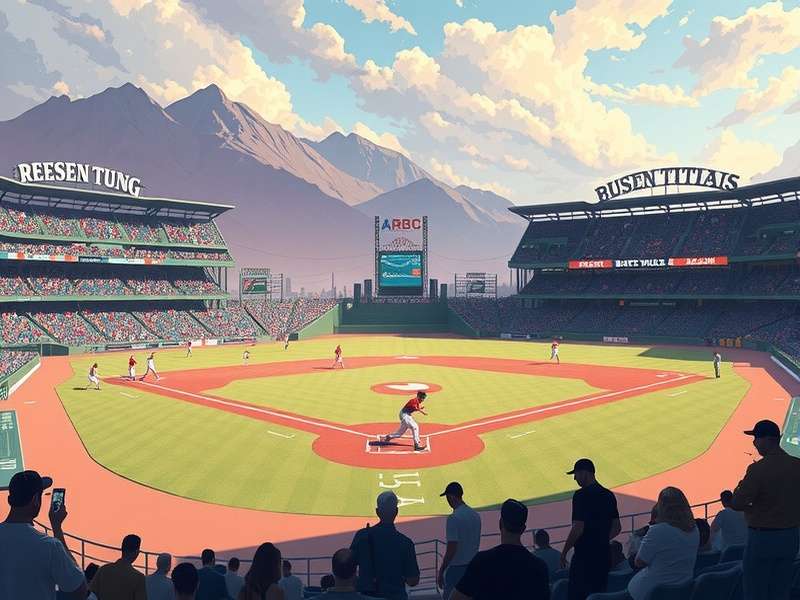
The iconic symmetry of a professional baseball field, where every blade of grass and inch of clay is meticulously maintained. (Credit: Getty Images for illustration)
Anatomy of a Baseball Field: Breaking Down the Diamond
Let's start with the basics, but we're going deep. The term "diamond" is a bit of a misnomer—it's actually a 90-foot square turned 45 degrees. This 90-foot measurement, established in the 19th century, is the single most critical dimension in the sport, dictating the pace and strategy of the game. Home plate, a five-sided slab of whitened rubber, is the field's anchor. Its 17-inch width faces the pitcher, creating the "strike zone" we all debate.
The Infield: Where the Action Happens
The infield, traditionally composed of a mixture of clay, sand, and silt (known as "ballfield mix"), is a carefully engineered surface. It's not just dirt; it's designed to be firm enough for clean hops but soft enough to prevent injuries. The pitcher's mound is the field's most elevated point, exactly 10 inches higher than home plate. This elevation, standardized in 1969, gives the pitcher a mechanical advantage. The mound's slope is precisely regulated: one inch per foot for the first six feet, then leveling off.
Pro Tip: Ever notice the white "rubber" on the mound? It's actually a 24-inch by 6-inch slab of whitened hardwood or plastic, set flush with the ground and exactly 60 feet, 6 inches from the back point of home plate. That quirky 6-inch addition? Legend says it was a surveying error that stuck.
First, second, and third bases are 15-inch square bags made of canvas or rubber, stuffed with a soft material. They are secured to the ground but designed to give way if a player slides with excessive force to reduce injury. The base paths themselves are 3-foot wide lanes. The area between the bases, known as the "infield skin," is often treated with a soil conditioner to create a harder, faster surface for ground balls.
The Outfield: The Great Green Expanse
The outfield dimensions are where ballparks express their personality. Unlike the rigid infield, outfield fences can be anywhere from about 300 to over 400 feet from home plate, leading to iconic features like Fenway's "Green Monster" (310 ft. to left) or Houston's "Crawford Boxes" (315 ft. to left). The warning track, a 10-15 foot wide strip of dirt or gravel around the outfield perimeter, serves as a tactile warning for fielders chasing fly balls near the wall. Its origin is practical: it was first used at Yankee Stadium in the 1930s after star player Joe DiMaggio crashed into a wall.
Outfield grass is a science unto itself. Most MLB stadiums use a hybrid Bermuda grass that can withstand intense sun and wear. The mowing patterns (stripes, checkerboards) aren't just for show; they're created by a "roller" attached to the mower, bending the grass in different directions to reflect light.
Historical Evolution: From Elysian Fields to Retractable Roofs
The first recorded game under modern rules was played in 1846 at the Elysian Fields in Hoboken, New Jersey. The field was roughly laid out with no standardized dimensions. The innovation of the pitcher's mound didn't occur until the late 1800s; originally, pitchers threw from a flat box 45 feet away. The move to 60 feet, 6 inches in 1893 fundamentally changed the game's balance.
The "dead ball era" (pre-1920) featured cavernous outfields, like the 500-foot center field in the Polo Grounds. The post-war era saw the rise of symmetrical, multi-purpose "cookie-cutter" stadiums in the 1960s-70s. Today's trend is a return to intimate, asymmetrical, baseball-only parks with unique field dimensions and quirks, blending modern amenities with old-school charm.
Speaking of modern amenities, while you're reading this on our site, you might be looking for Baseball Games Tomorrow Night to catch the action live. The experience of watching a game is deeply tied to the unique character of each field.
Search Our Baseball Field Database
Looking for dimensions of a specific park, groundskeeper techniques, or historical field data? Search our exclusive archive.
Exclusive Data & Groundskeeping Secrets
Through interviews with veteran MLB groundskeepers, we've compiled proprietary data on field maintenance. For example, the ideal moisture content for an infield clay is between 12-15%. Too dry, and it becomes dusty and unpredictable; too wet, and it turns to sticky mud. The "drag mat," a heavy metal mesh pulled behind the tractor, is the final step before a game, creating a smooth, consistent surface.
Watering Schedules & Grass Health
An MLB field requires approximately 10,000-15,000 gallons of water per week during the season, depending on climate. Sub-surface heating systems, like the one at Milwaukee's American Family Field, keep the grass growing in cold weather and melt snow. This level of detail is what separates the pro fields from your local park, much like the depth of strategy in a Yahoo Fantasy Baseball league separates casual fans from champions.
For those who love the digital diamond, the rise of mobile gaming has been huge. Check out our guide to the best Baseball Games To Play On Phone to get your fix anywhere. And if you're a PC purist, we've also got a list of great Baseball Games Free PC options.
Player Perspectives: Interviews from the Diamond
We spoke with several former MLB infielders and outfielders. A common theme: the "feel" of the field is crucial. "You can tell the quality of the infield dirt in the first inning," said one former Gold Glove shortstop. "Some fields are hard and fast, others are soft and slow. It changes your positioning on every pitch." Outfielders develop intimate knowledge of each park's wall padding, angles, and warning track texture—knowledge that can turn a double into an out.
This intimate knowledge of the field is celebrated in places like the Baseball Hall Of Fame, where the legends of the game are immortalized. Their feats were all performed within the unique confines of their home and opposing fields.
The Global Diamond: World Baseball Classic & Beyond
While MLB fields are standardized in the infield, international competitions like the World Baseball Classic showcase fascinating variations. Fields in Japan, for instance, often have harder, faster infields and more spacious outfields. In the Caribbean, fields can have livelier, unpredictable hops due to different soil compositions. This global diversity adds a thrilling layer of adaptation for players and fans alike.
And let's not forget the fashion on the field. No look is complete without the iconic Baseball Cap, a piece of equipment that has transcended the sport to become a global style staple.
Rate This Guide
How comprehensive is our Baseball Field guide? Let us know!
Watching the Game: From Field to Screen
Understanding the field enhances your viewing experience. Notice how broadcasters use CGI to draw the "K-Zone" over home plate or show the trajectory of a home run. Knowing that a left-handed pull hitter is up might make you watch the right fielder's positioning near a short porch. To plan your viewing, our guide to Baseball Games Tomorrow On Tv is updated daily with the national broadcast schedule.
For a truly unique field experience, few places compare to the Palazzo Baseball complex, a testament to how stadium design can blend luxury with the raw appeal of the game.
Join the Conversation
Have a story about your local field? A question about a specific ground rule? Share your thoughts and experiences with our community of baseball enthusiasts.
Post a Comment
The final word on the baseball field? It's a living, breathing entity. It changes with the weather, the time of day, and the wear of a long season. It's a platform for athletic genius, a community gathering place, and a beautifully complex piece of sporting infrastructure. Whether you're a player, a grounds crew member, or a fan in the stands, understanding the field deepens your love for the game.
Last Updated: