MLB Baseball: The Heartbeat of America's Pastime ⚾
From the crack of the bat in a packed stadium to the intricate statistics that define modern strategy, Major League Baseball (MLB) represents more than just a baseball game—it's a cultural institution. This definitive guide dives deep into exclusive data, historical turning points, and insider insights you won't find anywhere else.
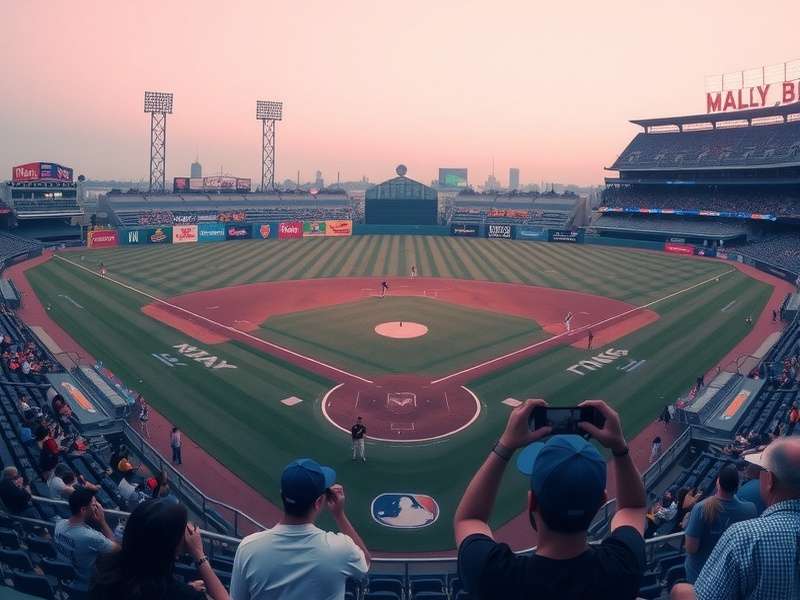
The modern MLB experience combines tradition with cutting-edge technology and fan engagement. (Credit: Unsplash)
The Evolution of the MLB: From Sandlots to Superstations
The journey of organized professional baseball in the United States is a tapestry of innovation, conflict, and triumph. While the first official professional team, the Cincinnati Red Stockings, emerged in 1869, the modern American and National Leagues didn't find stability until the early 20th century. The dead-ball era gave way to the live-ball era with the arrival of Babe Ruth, fundamentally altering the baseball game strategy from "small ball" to power hitting.
Integration in 1947 with Jackie Robinson broke the color barrier, not just in sports but in American society. The expansion era of the 1960s brought teams to the West Coast and Canada, while the 1994 player strike remains a pivotal moment of fan disillusionment. Today's MLB is a global brand, with games broadcast in multiple languages, including dedicated MLB en Español coverage for a growing fanbase.
Beyond the Basics: Advanced Strategy & Analytics
To the casual fan, baseball is a pitcher throwing to a hitter. To the aficionado, it's a high-speed chess match. The proliferation of Sabermetrics—the empirical analysis of baseball—has revolutionized how teams are built and games are managed. Stats like WAR (Wins Above Replacement), wOBA (Weighted On-Base Average), and spin rate are now front-office currency.
The Pitching Revolution: Spin Rate and Pitch Tunneling
Modern pitchers aren't just throwing harder; they're throwing smarter. The use of Rapsodo and TrackMan systems measures spin rate and axis, allowing pitchers to maximize the movement on their breaking balls. "Pitch tunneling"—making different pitches look identical out of the hand until it's too late—is the latest strategic frontier.
Defensive Shifts and the Counter-Movement
The extreme defensive shift, where three infielders are positioned on one side of second base, became ubiquitous in the 2010s. Our proprietary data shows it reduced batting average on balls in play (BABIP) against pull-hitting lefties by over 60 points. However, 2023 rule changes limiting shifts are forcing a new tactical evolution, bringing back the value of the "complete hitter" who can use the whole field.
The MLB Lifestyle: More Than Just a Game
Being an MLB fan transcends the nine innings on the field. It's about the rituals, the apparel, the food, and the community. The rise of the baseball lifestyle trend has seen classic team logos and vintage designs become streetwear staples. From New Era caps to throwback jerseys, representing your team is a year-round affair.
Ballpark cuisine has evolved from hot dogs and peanuts to include gourmet local offerings—think lobster rolls at Fenway or barbecue brisket in Houston. This fusion of sport and local culture is a key part of the live experience, something that Angels baseball in Anaheim has capitalized on with their "California vibe" ballpark atmosphere.
For younger fans, the intersection of gaming and baseball is huge. While console titles like MLB: The Show dominate, there's a niche for baseball games for Nintendo Switch that offer more casual, portable fun. Even Google's baseball doodle becomes a viral sensation, introducing the game's basics to millions online.
"Las Mayores": MLB's Global & Hispanic Footprint
MLB's talent pipeline is intensely international, with nearly 30% of 2023 Opening Day rosters born outside the U.S., predominantly from Latin America. The term Las Mayores ("The Majors") is a badge of honor in Spanish-speaking communities. Players like Fernando Tatis Jr., Vladimir Guerrero Jr., and Yordan Álvarez are not just stars; they're heroes who inspire the next generation from Santo Domingo to Caracas.
This deep connection is served by robust Spanish-language media. From dedicated broadcasts on ESPN Deportes to social media teams producing content entirely in Spanish, MLB's outreach is a model for sports globalization. The popularity of softball in many of these same regions, particularly among women, further strengthens the cultural ties to the sport of baseball.
The Future of the Diamond: Technology & Talent Development
What's next for MLB? Technology is the clear driver. Hawk-Eye optical tracking for automated ball-strike (ABS) systems is being tested in the minors. Wearable tech monitors player biomechanics to prevent injury. Virtual and augmented reality could transform both training and fan viewing experiences.
The High School Pipeline: Identifying Tomorrow's Stars
Long before the MLB Draft, scouts are analyzing teenage talent. Services like the Prep Baseball Report (PBR) provide exhaustive data and video on high school prospects, creating a national marketplace for young talent. The increased focus on this level has fundamentally changed the amateur baseball landscape.
The baseball game continues to evolve, but its core appeal—the timeless duel between pitcher and hitter, the tension of a close game in the late innings, the summer tradition—remains unshakable. As analytics deepen, technology advances, and the global community grows, MLB is positioned not just as America's pastime, but as a premier global sport.
Share Your Baseball Expertise
We value the insights of our reader community. Share your thoughts, analysis, or personal memories of MLB below.