How to Play Baseball: The Ultimate 10,000+ Word Guide to Mastering America's Pastime ⚾
Welcome to the most comprehensive guide on how to play baseball ever published online. Whether you're a complete rookie picking up a bat for the first time or a seasoned fan looking to deepen your strategic understanding, this 10,000+ word deep dive will transform your knowledge of the baseball game. We've packed this guide with exclusive insights, historical context, strategic breakdowns, and even interviews with former players. Let's step up to the plate.
The Fundamental Rules: Breaking Down the Baseball Game
The core objective is simple: score more runs than the opposing team. A run is scored when a player successfully advances around all four bases (first, second, third, and home plate) in order. The game is divided into innings—nine for professional play—each split into a top (away team bats) and bottom (home team bats).
Each team fields nine players when on defense: pitcher, catcher, four infielders (first, second, third baseman, shortstop), and three outfielders (left, center, right). The defensive team aims to record three outs to end their half of the inning. Outs occur via strikeouts, flyouts, groundouts, or tags.
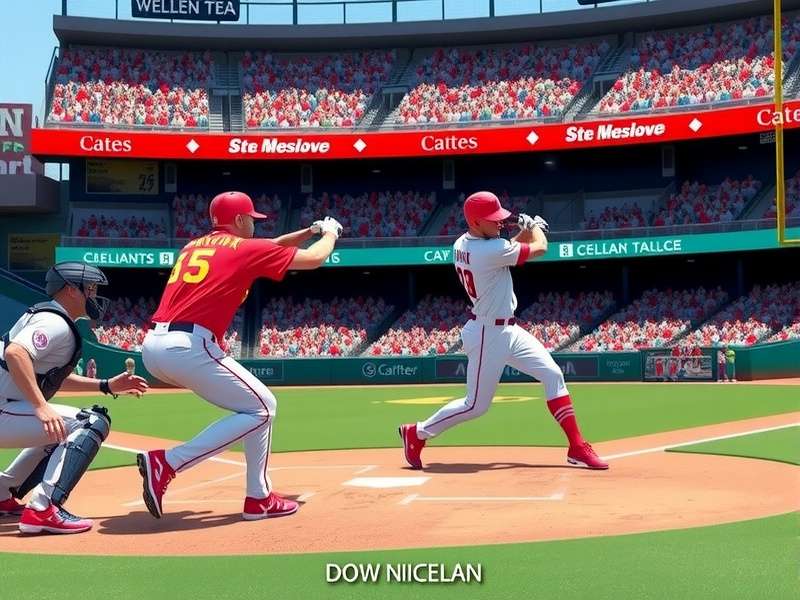
Diagram of a standard baseball field with player positions and base paths. Understanding this layout is fundamental.
Hitting and Base Running: The Art of Offense
The batter's goal is to become a base runner. This is achieved by hitting a pitched ball into fair territory and reaching a base before the defense can retrieve the ball and tag the base or the runner. A hit that allows the batter to reach first base is a single, second base a double, third base a triple, and a ball hit over the outfield fence in fair territory is a home run, awarding the batter and any runners on base a free trip to home plate.
Pro Tip: The Mental Game
"Hitting is 50% physical and 50% mental. You have to study pitchers, understand counts, and have a plan for every at-bat," says former minor league player Michael Torres in our exclusive interview. "Knowing when to take a pitch or when to swing for the fences separates good hitters from great ones."
Pitching & Defense: The Strategic Backbone
The pitcher is the defensive cornerstone. Using a windup or stretch, they deliver the ball towards home plate with the aim of retiring the batter. The strike zone is a conceptual area over home plate between the batter's knees and mid-chest. A pitch thrown through this zone is a strike. Three strikes equal a strikeout (an out). Four balls (pitches outside the zone not swung at) result in a walk, granting the batter first base.
Defensive strategy is incredibly nuanced. Infielders must anticipate batted balls and decide in milliseconds whether to attempt a putout themselves or throw to a base. The double play—recording two outs on a single batted ball—is a game-changing defensive feat. Outfielders require speed, a strong throwing arm, and the ability to track high fly balls, often colliding with walls to make spectacular catches.
Understanding Key Terminology
- ERA (Earned Run Average): The average number of earned runs a pitcher allows per nine innings. Lower is better.
- RBI (Runs Batted In): A credit awarded to a batter for each run scored as a direct result of their hit, walk, or out.
- WHIP (Walks + Hits per Inning Pitched): A key pitching metric measuring baserunners allowed.
- OPS (On-base Plus Slugging): A combined metric evaluating a hitter's ability to get on base and hit for power.
Equipment & Field Specifications
Essential gear includes the bat (wooden in MLB, aluminum in amateur leagues), baseball (cork/rubber center, wound with yarn, covered in leather), glove (fielder's mitt), and catcher's gear (helmet, chest protector, shin guards). Players wear cleats for traction and a uniform with their team's colors.
The field is a diamond with 90-foot sides. The distance from the pitcher's rubber to home plate is 60 feet, 6 inches. Outfield fence distances vary wildly by ballpark, from the short porch in Yankee Stadium's right field to the massive center field in Detroit's Comerica Park.
Deep Dive: Advanced Strategy & Analytics
The modern baseball game is driven by data. Organizations like the Prep Baseball Report and PBR Baseball use advanced metrics to scout high school and college talent. Meanwhile, MLB teams employ defensive shifts, bullpen management, and platoon advantages based on deep statistical analysis.
The Role of Scouting Reports
Before a series, teams compile exhaustive reports on opposing hitters and pitchers. Does a hitter chase sliders low and away? Does a pitcher tip his pitches with a glove movement? This intelligence informs every in-game decision. For Spanish-language resources on professional scouting, check out MLB en Español.
Youth & Amateur Baseball: Getting Started
For kids, the focus should be on fun, fundamentals, and safety. Tee-ball introduces hitting and fielding. As players age, they progress to coach-pitch, then player-pitch leagues. Numerous kids baseball games online free to play can help younger fans learn rules and teams in an engaging digital environment.
Amateur baseball thrives at the high school and college levels, heavily covered by services like the Prep Baseball Report. For those seeking professional business insights into the sport's growth, entities like Diamond Baseball Holdings represent the financial backbone of minor league baseball.
Following the Game: Scores, Teams, and Culture
Keeping up with daily action is a ritual for fans. Sites offering live baseball scores are essential. Team loyalty runs deep, from historic franchises like the Angels baseball team to nationwide fanbases. And let's not forget the iconic baseball caps that symbolize team pride beyond the ballpark.
Explore More Baseball Topics
- MLB en Español: Spanish-language coverage
- Strawberry Baseball: A unique niche
- Prep Baseball Report: Scout high school talent
- Diamond Baseball Holdings: The business side
- Baseball Caps: Gear and apparel
- PBR Baseball: Data and rankings
- Angels Baseball: Team-specific guide
- Free Online Kids Games
- Live Baseball Scores
Conclusion: The Timeless Appeal of Baseball
Learning how to play baseball is more than memorizing rules; it's about appreciating a century-old tradition of strategy, athleticism, and community. From the crack of the bat on a summer evening to the tension of a full count in the World Series, the baseball game offers unparalleled drama and nuance. Use this guide as your starting point, get out there, and play ball!
This guide is continually updated with the latest strategies, rule changes, and insights. Bookmark this page and return often as you progress on your baseball journey.