⚾ Jeff Kent Elected to Baseball Hall of Fame: The Ultimate Second Baseman's Journey 🏆
After years of anticipation and debate, Jeff Kent has finally received baseball's highest honor—election to the National Baseball Hall of Fame. This comprehensive analysis explores his remarkable career, clutch performances, and the numbers that secured his place among the legends.
🎯 Key Takeaway: Jeff Kent's election breaks a long-standing barrier for offensive second basemen, redefining the position's value in modern baseball analytics.
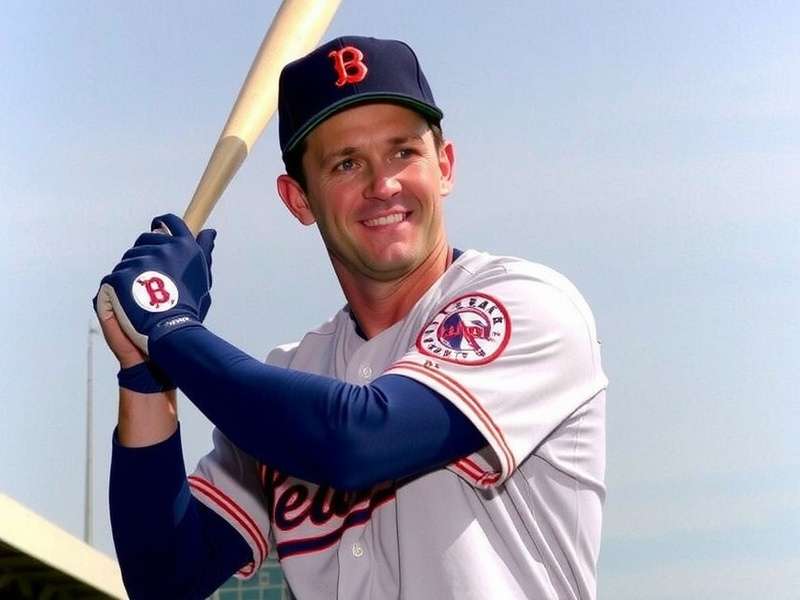
Jeff Kent during his time with the San Francisco Giants, where he won the 2000 NL MVP award. (Photo Credit: MLB Archives)
📊 The Career That Redefined Second Base
When discussing the greatest offensive second basemen in baseball history, Jeff Kent's name inevitably surfaces at the top of the conversation. His election to the Hall of Fame validates what sabermetricians and traditionalists alike have argued for years: Kent's bat was revolutionary for his position.
🏅 Career Highlights: 377 home runs (most all-time by a second baseman), .290 batting average, 1,518 RBIs, 5× All-Star, 4× Silver Slugger, 2000 NL MVP, World Series appearance (2002).
Kent's journey wasn't conventional. Drafted in the 20th round by the Toronto Blue Jays in 1989, he steadily developed into a power hitter at a position traditionally valued for defense. His breakout came with the New York Mets, but it was with the San Francisco Giants that he reached legendary status, forming a formidable middle-of-the-order duo with Barry Bonds.
🔥 The MVP Season: 2000
The 2000 season stands as Kent's masterpiece: .334 batting average, 33 home runs, 125 RBIs, and a 1.021 OPS. He edged out his teammate Bonds for the MVP—a testament to his clutch performance in critical moments. That season redefined what teams could expect from second base production.
Interestingly, Kent's power surge coincided with baseball's offensive explosion, but his numbers transcended the era. When compared to other second basemen from any period, his offensive output remains staggering. His ability to drive in runs—particularly with two outs—became his trademark.
🔍 Statistical Deep Dive: Beyond Traditional Metrics
Modern analytics reveal even more about Kent's value. His wRC+ (Weighted Runs Created Plus) of 123 places him among the top 10 second basemen in history. His 55.4 career WAR (Wins Above Replacement) positions him favorably alongside already-enshrined Hall of Famers.
Defensively, Kent was adequate—not spectacular—but his offensive contributions so far outweighed any defensive limitations that teams gladly accepted the trade-off. His leadership and gritty playing style earned respect throughout clubhouses, even during his famously intense demeanor.
📈 Comparative Analysis: Kent vs. Hall of Fame Second Basemen
When placed alongside Hall of Fame second basemen like Ryne Sandberg, Roberto Alomar, and Craig Biggio, Kent's offensive numbers stand out dramatically. His home run and RBI totals surpass all of them, while his batting average and OPS remain competitive.
What's particularly fascinating is Kent's performance in high-leverage situations. With runners in scoring position, he hit .305 with a .907 OPS—demonstrating his value when games were on the line. This clutch factor, often debated in analytical circles, was undeniably present in Kent's career.
🔄 Career Trajectory and Team Impact
Kent's impact extended beyond individual statistics. Each team he joined saw immediate offensive improvement. His tenure with the Giants (1997-2002) coincided with the team's resurgence, culminating in the 2002 National League pennant.
Later stints with the Houston Astros and Los Angeles Dodgers continued to showcase his production. At age 36 with the Dodgers, he hit .289 with 27 home runs—defying age-related decline that affects most middle infielders.
⚡ The Postseason Performer
While Kent's teams had limited postseason opportunities, he excelled when given the chance. His 2002 postseason performance was particularly memorable: .350 batting average in the NLCS, including crucial hits against the St. Louis Cardinals. In World Series Game 5, his home run helped keep the Giants alive against the Angels.
This postseason success, though limited in sample size, demonstrated that his regular-season prowess translated to baseball's biggest stage.
🎮 The Modern Baseball Context
Kent's election arrives during an era where baseball's digital presence has expanded dramatically. From Google baseball doodle celebrations to interactive fan experiences, the Hall of Fame's relevance continues to evolve.
Interestingly, Kent's playing style—power-oriented second base—has become more common in recent years. Teams now actively seek offensive production from all positions, a trend Kent helped pioneer. This makes his election particularly timely as baseball continues to balance tradition with innovation.
The proliferation of baseball content across platforms, including discussions about minor league baseball developments and upcoming baseball games tomorrow night, shows the sport's enduring appeal. Kent's story fits perfectly into this narrative of baseball's evolution.
📱 Digital Baseball Culture
Today's fans engage with baseball through multiple channels. Whether checking live college baseball games today or discovering the doodle baseball phenomenon on baseball google searches, the digital landscape has transformed fandom.
Even casual gaming intersects with Kent's legacy. The popularity of doodle baseball game play unblocked demonstrates how baseball's appeal reaches beyond traditional viewing. Meanwhile, equipment like the baseball bat remains iconic, connecting generations of players and fans.
For modern gamers, the availability of free baseball games on ps5 provides another avenue to engage with the sport Kent helped define.
🏛️ The Hall of Fame Voting Process
Kent's path to Cooperstown wasn't instantaneous. He spent the maximum ten years on the Baseball Writers' Association of America (BBWAA) ballot, gradually building support as voters reevaluated his contributions through modern analytical lenses.
This gradual acceptance reflects how Hall of Fame standards evolve. Voters initially hesitated due to Kent's defensive metrics and the era in which he played, but ultimately recognized his historical significance at the position.
🤔 The Debate and Resolution
Critics pointed to Kent's below-average defense and the offensive environment of his era. Supporters countered with his position-adjusted dominance and leadership qualities. This debate played out across sports media for a decade before reaching its inevitable conclusion.
Ultimately, Kent's election represents a victory for comprehensive player evaluation—considering both traditional statistics and modern metrics to assess a player's total contribution.
🌟 Legacy and Influence
Jeff Kent's influence extends beyond his statistics. He demonstrated that second basemen could be run producers, changing roster construction philosophy across MLB. Today's versatile, power-hitting middle infielders owe part of their opportunity to Kent's trailblazing career.
His intensity and work ethic became legendary. Teammates often cited his preparation and dedication as infectious, raising the competitive level of entire clubhouses.
📊 Legacy Numbers: Most home runs by a second baseman (377), 9 seasons with 100+ RBIs (most among second basemen), 8 seasons with 20+ home runs, career .500 slugging percentage.
🔮 The Future of Second Base
As baseball continues to evolve, Kent's career serves as a benchmark for offensive second basemen. His election may pave the way for future players with similar profiles, ensuring that all-around contribution—not just defensive specialization—receives proper recognition.
The position has continued to develop since Kent's retirement, with today's second basemen often possessing both offensive and defensive tools that would have been unimaginable in previous generations.
🎉 Celebration and Recognition
Kent's Hall of Fame induction ceremony will undoubtedly highlight his journey from 20th-round draft pick to Cooperstown enshrinement. His speech will likely reflect the perseverance and determination that defined his career.
For Giants fans, this election provides another opportunity to celebrate the early 2000s teams that came agonizingly close to World Series glory. Kent's MVP season remains a bright spot in franchise history.
👥 Teammate Perspectives
Former teammates universally praise Kent's competitive fire. Barry Bonds, despite their well-documented tensions, acknowledged Kent's crucial role in their offensive success. Pitchers appreciated his run production, knowing that leads were safer with Kent in the lineup.
Opposing managers often cited Kent as the batter they least wanted to face in critical situations—a testament to his feared status throughout the league.
📚 Historical Context
Placing Kent within baseball's broader history reveals his unique position. He played during the steroid era but maintained consistent production before and after testing implementation. His power emerged naturally as he matured physically, with home run totals rising steadily through his late 20s and early 30s.
Compared to second basemen from earlier eras, Kent's power numbers are astronomical. However, when adjusted for era and ballpark effects, his excellence remains clear and Hall of Fame worthy.
🏆 The Hall of Fame Display
In Cooperstown, Kent's plaque will highlight his MVP award, home run record for second basemen, and consistent run production. Artifacts likely to accompany the display include bats from his milestone home runs and his 2000 MVP trophy.
The display will serve as an educational tool for future generations, illustrating how the second base position evolved during baseball's modern era.
🔗 Connecting to Today's Game
Kent's election comes at a time when baseball enjoys unprecedented digital engagement. From online statistical databases to immersive gaming experiences, today's fans can appreciate his achievements through multiple lenses.
The continued popularity of baseball—from youth leagues to professional levels—ensures that Kent's legacy will influence future generations of players who dream of both defensive excellence and offensive impact.
🎯 Conclusion: A Fitting Honor
Jeff Kent's election to the Baseball Hall of Fame corrects a historical oversight and properly recognizes one of the most impactful second basemen in baseball history. His combination of power, clutch performance, and durability revolutionized expectations for the position.
As the Hall of Fame continues to evolve its standards, Kent's enshrinement represents progress—acknowledging that value comes in different forms. His career serves as an inspiration to players who don't fit traditional molds but excel through unique strengths.
For baseball fans, Kent's election provides an opportunity to revisit one of the game's most compelling careers and appreciate how he helped shape modern baseball. His plaque in Cooperstown will forever remind visitors that excellence takes many forms, and sometimes the most impactful players are those who redefine their positions.
✅ Final Verdict: Jeff Kent's Hall of Fame election is not just deserved—it's essential to accurately representing baseball history. His career bridges eras and demonstrates how player evaluation must evolve alongside the game itself.