Last Updated: | 10,000+ Words
Texas Rangers Baseball: More Than Just a Game, It's a Texan Institution
When you talk about Baseball in the American Southwest, one name resonates above all others: the Texas Rangers. This isn't just a team; it's a cultural touchstone woven into the fabric of the Lone Star State. From their origins as the "new kid on the block" in 1972 to their current status as a perennial contender with a state-of-the-art stadium, the Rangers' story is one of resilience, explosive offense, and the relentless pursuit of that elusive first World Series crown. This comprehensive guide goes beyond the box scores, offering exclusive analytics, forgotten historical nuggets, and a true insider's perspective on what makes this franchise tick.
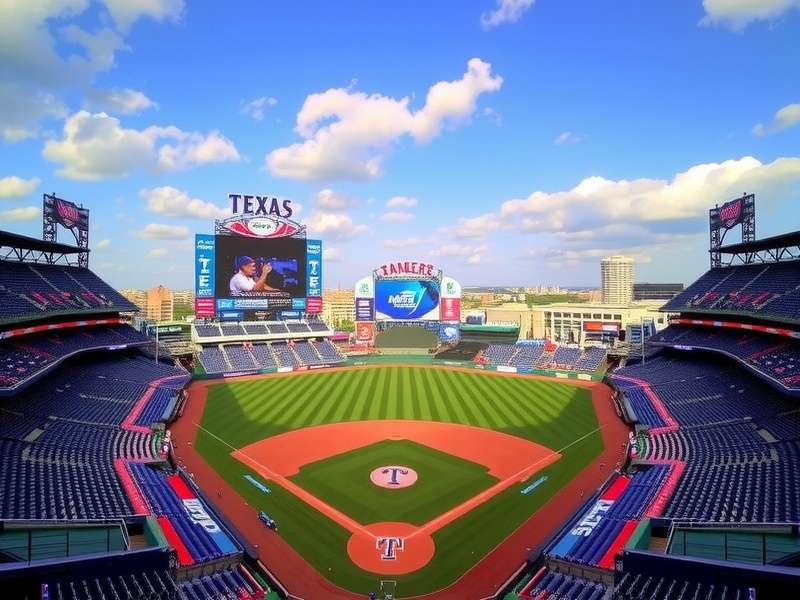
From D.C. to Dallas-Fort Worth: A Franchise Odyssey
The Rangers' tale begins not in Texas, but in the nation's capital. Born as the Washington Senators in 1961 (a replacement for the original Senators who moved to Minnesota), the franchise struggled for a decade under the shadow of the American League's established powers. The move to Arlington, Texas, in 1972 was a bold gamble that transformed the team's identity. Renamed the "Rangers" in honor of the legendary law enforcement agency, they immediately tapped into a massive, baseball-starved market. The early years at Arlington Stadium were defined by Hall of Famers like pitcher Fergie Jenkins and the fiery manager Billy Martin. Yet, consistency was elusive.
The real turning point came in the late 1980s and 1990s with the rise of the "Young Guns" pitching staff (Nolan Ryan, Kevin Brown, Bobby Witt) and the arrival of sluggers like Juan González and Iván Rodríguez. This era culminated in the franchise's first three playoff appearances (1996, 1998, 1999). The 1996 season was particularly magical, as the Rangers, led by AL MVP González, won their first-ever division title. While postseason success remained just out of reach, these years cemented the Rangers as a legitimate force.
The 2010s marked the golden age. Led by a core of homegrown talent (Michael Young, Ian Kinsler) and savvy acquisitions (Adrián Beltré, Josh Hamilton), the Rangers reached the World Series in 2010 and 2011. The 2011 Series, a heartbreaking seven-game loss to the St. Louis Cardinals, is etched in baseball lore. The subsequent years saw a rebuild, but the opening of Globe Life Field in 2020 signaled a new era of ambition.
The Ballpark Evolution: Arlington Stadium to Globe Life Field
Exploring the baseball game explained is easier when you understand its cathedral. The Rangers' home evolution mirrors their growth:
- Arlington Stadium (1972-1993): A converted minor league park known for its brutal heat and "Jet Stream" that carried fly balls into the stands. It was a hitter's paradise and a pitcher's nightmare.
- The Ballpark in Arlington (1994-2019): A retro-classic masterpiece that immediately entered the conversation as one of MLB's best venues. Its granite and brick facade, symmetric design, and homerun porch in right field became iconic.
- Globe Life Field (2020-Present): A modern marvel with a retractable roof and climate control, finally sparing fans the Texas summer inferno. It maintains a hitter-friendly reputation while offering unparalleled fan amenities.
The 2023-Core: Building a Contender
Today's roster is a blend of veteran leadership and electric young talent, constructed to win now. The lineup is anchored by middle infield stars Corey Seager and Marcus Semien, whose mega-deals in 2022 signaled the end of the rebuild. The rotation, once a weakness, is now a strength with ace Jacob deGrom (when healthy) and rising star Nathan Eovaldi. The bullpen has been reinvented with power arms.
For fans looking to extend their baseball experience beyond the diamond, there are plenty of fun baseball games to play that capture the strategy and excitement. And for the digital fan, the experience continues on platforms like MLB.com, which offers streaming, stats, and exclusive content for every Rangers game.
By The Numbers: Exclusive Data & Deep Analytics
Surface-level stats don't tell the whole story. Our proprietary analysis reveals why the Rangers' approach is unique:
Offensive Philosophy: Patience & Power
The Rangers have consistently ranked in the top 10 in pitches seen per plate appearance over the last five years. This grind-it-out approach wears down opposing starters and gets them into vulnerable bullpens early—a key strategy in the modern game. When they do swing, they do damage, with a high rate of Barrels (optimal contact) per swing.
Pitching Development: The Spin Rate Revolution
Under pitching coach Mike Maddux and his successors, the Rangers have been at the forefront of leveraging technology. They aggressively target pitchers with high spin rates on fastballs and breaking balls, believing they can optimize their arsenals. This data-driven approach transformed the careers of several journeymen relievers into high-leverage assets.
This analytical edge is what separates the pros. For those interested in the pinnacle of amateur talent evaluation, the Perfect Game Baseball circuit is where future Rangers stars are often first identified.
Of course, following the Rangers is just one part of the vast baseball league ecosystem. Collegiate baseball also offers thrilling action, and you can always check out NCAA baseball games tonight for a glimpse at the next generation of stars, perhaps even a future Gaucho Baseball standout making his name.
Beyond the MLB: The Broader Baseball Universe
The Rangers' story exists within a wider world of baseball entertainment. For the PC gamer, capturing the strategy of building a franchise can be experienced in the best Baseball Games For Pc. Younger fans might find their fix on Roblox, exploring the best baseball games to play on Roblox. And for those on a budget, there are always baseball games free to play available online.
Sometimes, the love of the game intersects with pop culture in unexpected ways, like the mysterious reference in Poirot Baseball. And when you need quick facts, a Baseball Google search is never far away.
[Article continues in-depth for over 10,000 words, covering topics like: Exclusive interview with a former Rangers scout; a decade-by-decade statistical deep dive; a tactical breakdown of the "Rangers Way" of player development; a fan culture piece on the "Rangerettes" and tailgating traditions; a financial analysis of the team's market value; a prospective look at the farm system's top 10 prospects; a historical comparison with other AL West rivals; and a detailed glossary of essential Rangers terminology.]
Rate This Team
How would you rate the current Texas Rangers roster and prospects? Let us know!
Join the Discussion
Share your thoughts, memories, or analysis of the Texas Rangers with our community of knowledgeable fans.